
Rogers Behavioral Health fires 3 providers after unionization effort
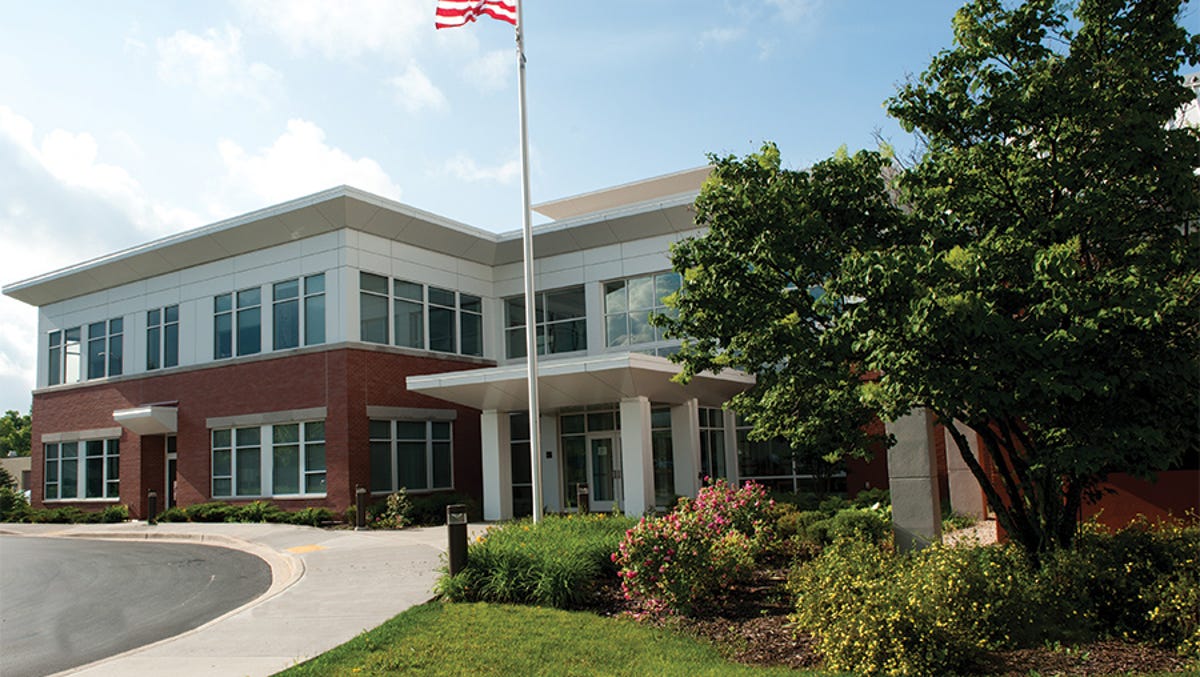
Three medical providers at a Rogers Behavioral Health clinic in West Allis were fired on Feb. 9, days after formally declaring they wanted to form a union, according to two of them.
The three were part of a larger group of mental health professionals at Rogers who on Feb. 4 notified managers of their intention to form a union under the National Union of Healthcare Workers, one of them said.
The national union has filed charges with the National Labor Relations Board against Rogers over the firings, alleging the employer violated the workers’ rights, according to a news release. The union is demanding the workers be reinstated and calls the firings illegal and an intimidation tactic.
“It’s clear this is retaliation, and I hope to be restored,” said Stephani Lohman, a nurse practitioner and one of the fired providers. “I did not do anything wrong.”
Lohman, who was a key member in the organizing effort, said she was not given a reason for her firing, only that it was being done “without cause.”
In response to questions from the Milwaukee Journal Sentinel, Rogers said its focus is on serving patients and that all clinics and services remain open.
“We don’t comment on confidential personnel matters. We believe we have acted in compliance with applicable law,” the statement said.
The fired providers – two nurse practitioners and a psychiatrist – worked at the West Allis Behavioral Health Treatment Center’s outpatient clinic, at 2424 S. 102nd St., also called the Lincoln Center. The mental health clinic sees more than 100 adolescent and adult outpatients every day, Lohman said. The clinic runs a partial hospitalization program, in which patients spend the full day at the clinic going to group therapy, classes and other treatment.
Rogers, a nonprofit based in Oconomowoc, provides inpatient and outpatient mental health care and addiction treatment at locations across 10 states.
The firings occurred abruptly, in the middle of the workday.
In the aftermath, Heather Cunningham, the other fired nurse practitioner, couldn’t help but think of her patients – the emails she had yet to respond to, the patient needing to change medications, the handoffs she couldn’t make to another medical provider.
“They didn’t give me a chance to warn my patients,” Cunningham said. “In an instant, I’m cut off.”
Lohman said the firings would leave patients with even fewer direct caregivers. She and her co-workers had spent months working with and developing relationships with many of their patients. It takes a long time, she said, to build the trust necessary to get through to patients, some of whom have severe mental health challenges.
“These things take weeks to build,” she said.
Union effort began in 2025 after staffing concerns
Workers at the clinic began organizing a union last year, in response to changes in staffing ratios that have resulted in higher caseloads and less time with individual patients, Lohman and Cunningham said. Therapists and providers are expected to see more patients in a given day than previously and to keep up with strict metrics and goals, they said.
“The quality of that care has to suffer. You cannot give the same care in 15 minutes that you can in 30,” Lohman said. “There’s a pressure to do less, to not do as thorough of a job.”
The move comes amid rising interest in unionization among health care workers, in the aftermath of the COVID-19 pandemic, when many health care workers struggled with high workloads and stress from staffing shortages, among other challenges.
In response to questions last week from the Journal Sentinel, Rogers acknowledged the workers’ moves to form a union but did not address concerns about worker burnout or staffing ratios.
“We are working closely with the National Labor Relations Board on next steps,” Rogers President and Chief Executive Cindy Meyer said at the time.
An election will be scheduled by the National Labor Relations Board for workers to vote on joining the National Union of Healthcare Workers, the union said.
About 60 employees at the West Allis outpatient clinic would be eligible to join the union. They include therapists, nurse practitioners, registered nurses, behavioral specialists, case managers, psychiatrists, behavioral health technicians and clinical support coordinators.
Workers at a Rogers clinic in Madison also have filed a petition to form a union under the National Union of Healthcare Workers.
The national union already represents workers at several other Rogers locations in California and Pennsylvania. Workers in those states joined the national union without opposition from Rogers, according to the news release.
Reporter Sarah Volpenhein can be reached at [email protected] or at 414-607-2159.
link