



Photo-Illustration: The Strategist; Photo: Retailer
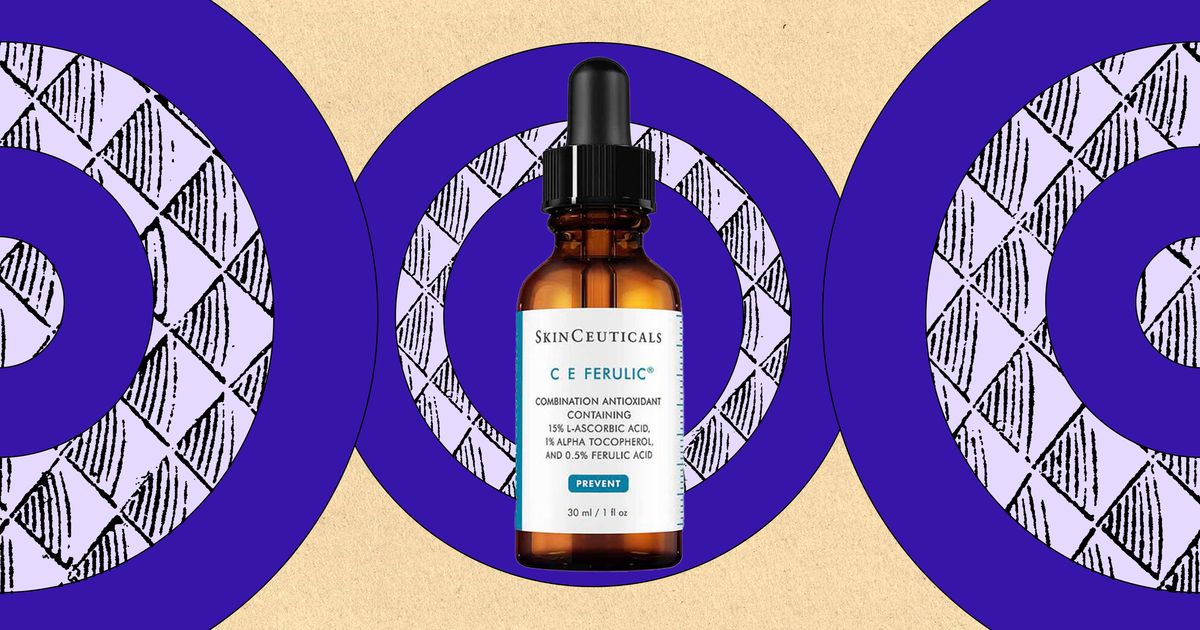
On March 24, the Strategist staff chat lit up with news: The patent on Skinceuticals C E Ferulic — our top pick for vitamin-C serums — had run out. We were reminded of this beauty world holiday by Magasin, a Substack newsletter written by Laura Reilly, who reported that skin-care Reddit has been counting down to the days for years. The patent not only protected the seemingly magical ratio of vitamin C, vitamin E, and ferulic acid, but also Skinceuticals’ stabilization method, which managed to make l-ascorbic acid, an effective but notoriously finicky ingredient, shelf-stable and efficacious. It still smelled like hot-dog water, but much like Biologique Recherche P50, eventually that became part of its charm.
Few vitamin-C serums have as much evidence (via clinical trial) attesting to its visible results. That fact cemented Skinceuticals serum’s status as a product that actually works. To say the serum is beloved is an understatement. When I first started out as a beauty writer it was often explained to me as the one sample you never give away and the only vitamin C serum that really worked. Dermatologists and beauty editors spoke about it in reverent tones, insisting that the $180 price tag was a fair price for what you got: glowy, blemish-free skin. So, as the thinking goes, the expiration of the Skinceuiticals patent would be like finding the vitamin-C Rosetta stone: formulas everywhere would be revolutionized by the ability to copy the OG.

But this is unlikely to be the case. C E Ferulic was released in 2005, and skincare technology has evolved significantly since. What’s more likely to happen is that more dupes will crop up to capitalize on the patent’s expiration. There are already lots of brands making variations of the formula — Timeless Skincare has one, for example, so it’s likely there will be more in the coming months and years.
But by today’s standards, the technology that made C E Ferulic revolutionary then isn’t cutting edge now. There have been lots of new methods for stabilizing l-ascorbic acid, from powder to encapsulation to gold infusion. Packaging has also changed. C E Ferulic comes in an amber bottle with a dropper. But new vitamin-C serums generally come in airtight, opaque bottles that eliminate oxygen exposure to keep the formula fresher, longer.
One of the biggest shifts in the space has been the use of derivatives like tetrahexyldecyl ascorbate and magnesium ascorbyl phosphate, which are more stable than l-ascorbic acid and tend to be less irritating. With regular ascorbic acid, you have to keep the pH from three to four, which is more irritating. Vitamin-C derivatives work in different pH ranges,” says cosmetic chemist Julian Sass. “THD ascorbate, for example, is easy to formulate with. You don’t have as many issues with stability. It circumvents all that.” The derivatives modify l-ascorbic acid to achieve varying goals like more stability or better penetration. THD is oil soluble, which Sass says has an easier time penetrating the skin, while MAP is water soluble, incredibly stable, and proved to be effective at brightening and encouraging collagen production.
The main drawback is that the derivatives like THD and MAP have less clinical data. “With any form of vitamin C we’re looking for collagen synthesis, skin brightening and antioxidant benefits,” says Sass. “Most of the popular vitamin-C derivatives can do all three of those things, but the evidence is only on skin models or cells in a dish. We don’t have these bigger clinical studies on people.” Some brands, like Allies of Skin and Revision Skincare, have done clinicals for their vitamin-C products, which can be helpful for choosing a product with evidence that it works.
With all that’s happened with vitamin-C technology in the past 20 years — from ingredient modification to a new standard in packaging, the patent expiration is ultimately a reminder that vitamin C has come a long way — and that C E Ferulic’s influence is enduring. With that said, if you’re interested in trying some of the newest available technology, or can’t bear to fork over almost $200 for the stinky serum, Sass shares his current favorites, below.

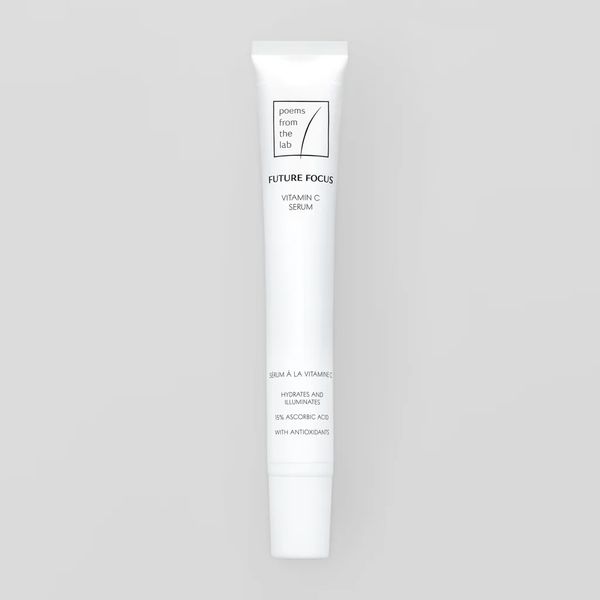
If you prefer classic l-ascorbic acid, Sass says this is the best formulated vitamin C serum he’s tried. It contains 15 percent l-ascorbic acid along with ferulic acid, amino acids, along with moisturizing humectants like betaine, glycerin and sodium lactate. The magic is in the packaging. It doesn’t dispense product unless it’s squeezed with the tool and dispenses drop by drop, which makes sure the product stays fresh. “From the beginning to the end, it has stayed crystal clear,” he says.

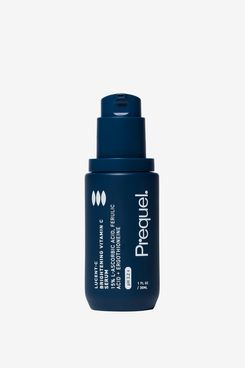
For a more affordable l-ascorbic acid vitamin C, Sass recommends this serum form Prequel. It has a high concentration of vitamin-C and comes in completely opaque packaging. It also uses a vitamin C booster called ergothioneine which recycles the oxidized vitamin C and increases the amount of active ingredients. “It will eventually get darker, but it gets darker a whole lot slower because of the packaging, because of the technology,” says Sass. “It’s not bulletproof, but it helps a lot.
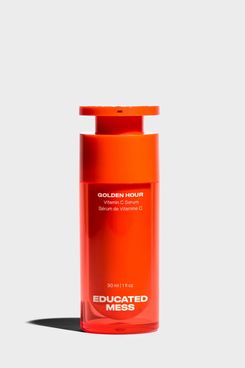
Sass is also a fan of this vitamin C serum, which is stabilized using gold. Gold also helps with delivery to the skin. The trade-off is often a lower concentration, but Sass says that doesn’t necessarily reduce efficacy. “It’s the difference between going in front of somebody’s house and throwing eggs out of your car and you’re not looking at the house versus driving up with a cannon and you have the door, you’re looking through a scope and it’s one egg,” he says. “You don’t need as much to try and have that same impact, you can use smaller percentages.” He likes this one from Educated Mess because it’s “well-rounded,” and includes glutathione, an antioxidant, and fermented extracts that help with barrier support.
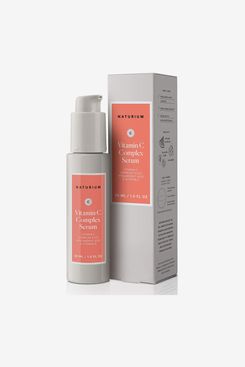
Another serum that uses gold is the Naturium Vitamin C Complex Serum, which Sass also recommends. It contains an extra dose of antioxidants with the inclusion of fruit extracts like pineapple and kakadu plum and another vitamin C derivative — sodium ascorbyl phosphate. SAP is water-soluble and known for being gentle and having antioxidant properties.
See All
The Strategist is designed to surface useful, expert recommendations for things to buy across the vast e-commerce landscape. Every product is independently selected by our team of editors, whom you can read about here. We update links when possible, but note that deals can expire and all prices are subject to change.
link