





Photo-Illustration: by The Cut; Photos: Getty Images
Feminine hygiene is needlessly confusing. First of all, there’s the age-old question: To use soap on your vagina or not to use soap on your vagina? Everybody seems to have a different opinion, which is frustrating when you’re like me and want a simple, expert-backed yes-or-no answer. Beyond that, everywhere I turn, there’s another TikToker shilling their multistep “kitty routine” or a controversial home remedy (like putting coconut oil on a tampon to treat dryness). There have been countless vagina-forward products flooding the market, including among our favorite retailers — Dr. Barbara Sturm, for example, sells $100 V-Drops. Mienne, a pleasure-focused luxury body-care brand, launched this year with a serum meant to facilitate sex while hydrating, soothing, and softening the skin around your genitals. Even Sephora now carries a selection of cleansers, supplements, and oils designed for the intimate area, which is to say that vaginal care has not only gone mainstream, but high-end.
But if our intimate areas have lived without these fancy, expensive formulas for decades, surely they don’t need them now — right? Like any other person with a vulva and a vagina, I’d like to know how to keep the area clean, fresh, and healthy. Ideally, my pelvic-area routine wouldn’t be longer than that of my face. However, if I were to believe TikTok, if I don’t use a laundry list of products, I’m doing my “coochie” a disservice. So what do I actually need? I’m tired of trying to figure it out on my own, so I asked Cleveland Clinic OB/GYN Erica Newlin and board-certified dermatologist Michelle Henry for some help.
“People will use the terms ‘vagina’ and ‘vulva’ interchangeably and often refer to the whole area as the vagina,” says Dr. Newlin. However, she explains, “the vulva refers to the outside ‘lips.’” That includes both the labia majora (big lips) and labia minora (smaller lips). In other words, it’s the stuff on the outside. Meanwhile, the vagina is the inner canal, which starts at the vaginal opening (between your pee hole and butthole) and ends at the cervix.
In most cases, no. “While many of these products designed to address concerns, such as certain vaginal moisturizers, may serve a legitimate need, others tend to hype up the belief that vaginas are dirty and need additional soaps or products for pH balance and decrease in odor,” says Dr. Newlin. Unless you have some sort of infection that needs treatment, vaginas self-clean. “They have a delicate balance of bacteria doing their job,” she adds. “Many over-the-counter products throw off that balance more than help. Don’t use soap inside the vagina. I’m always amazed to learn what people put in their vaginas.”
Probably not. However, Dr. Newlin explains that if you deal with skin conditions like eczema or psoriasis, you can consult your doctor and figure out how to treat the area. Additionally, if you experience any dryness down there (whether due to genetics, hair removal, or menopause), using a gentle cleanser and moisturizer may be helpful, according to Dr. Henry. She recommends the La Roche Posay Lipikar AP+M Triple Repair Body Moisturizer for Dry Skin or the Cetaphil Moisturizing Cream, while Dr. Newlin suggests petroleum-based ointments. But the general consensus is that an already healthy vulva needs nothing at all.
Dr. Newlin is on Team No Soap and swears by just warm water. “Soap can throw off the acidity of the area because soaps are basic (pH-wise) and kill off good bacteria,” she says. Yes, even hypoallergenic ones can cause itchiness and exacerbate sensitivity and abnormal discharge. However, “if you’ve been using soap for 20 years and have no issues, use your discretion,” she says.
Meanwhile, Dr. Henry recommends looking for a very gentle, sensitive-skin-friendly cleanser that’s fragrance-free and pH-balances specifically for the area; she likes the ones from the Honey Pot. “Think of it like the delicate skin around your eyes,” she says. “Less is more.”
I’m somewhere in the middle. I used to use only warm water, and that worked perfectly well for me for decades. However, Luna Daily’s the Everywhere Wash is my go-to for when I want to feel extra fresh. It’s caused me no issues so far (unlike the scented feminine wipes I’ve tried from other brands — don’t use those), and I’m afraid to use anything else. If I don’t have it on hand during a shower, warm water it is.

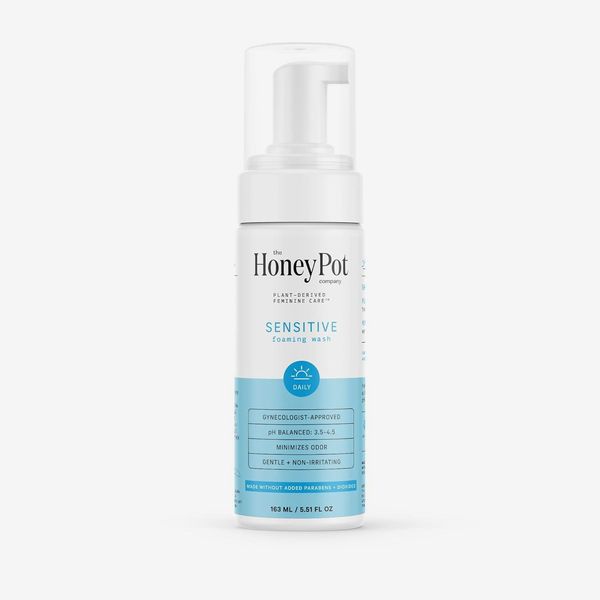
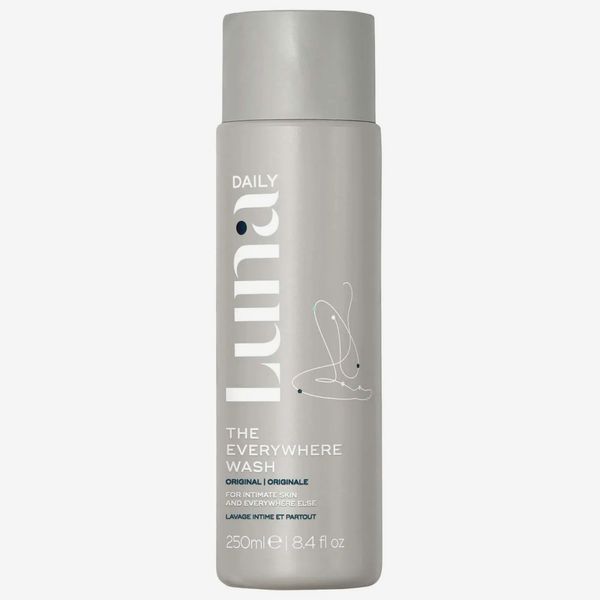
Both experts recommend avoiding formulas with fragrances or other non-hypoallergenic ingredients, including strong acids and essential oils. Antibacterial ingredients are also a huge no-no. “You need healthy bacteria in that area, and these can all disrupt the natural balance down there,” says Dr. Henry. Additionally, Dr. Newlin advises against any and all douches and vaginal glitter bombs.
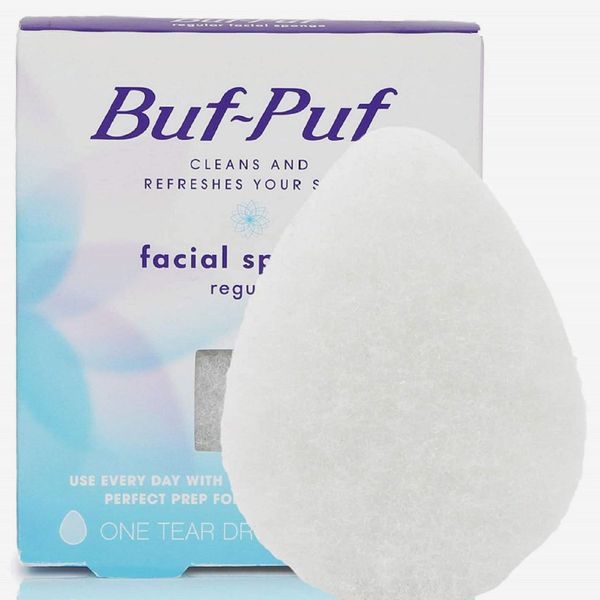
Most exfoliators are too harsh, and “unless you have specific skin issues or have been otherwise directed by a doctor, less exfoliating is best,” explains Dr. Newlin. If for some reason you really feel like you need to, Dr. Henry says you can try a soft sponge or a Buf-Puf, especially in the bikini area.
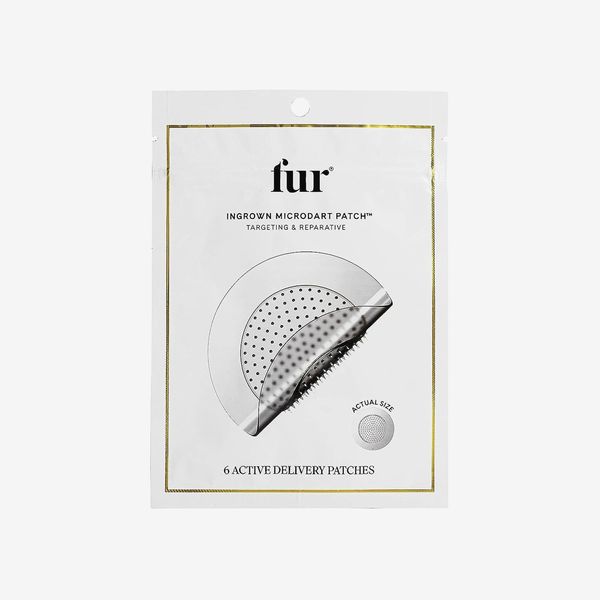
Dr. Henry recommends gentle exfoliators (think: lactic, salicylic, or glycolic acid) for ingrown hairs and razor bumps. Dr. Newlin’s best tips for ingrown hairs are using a warm compress, not touching the area, and trimming as opposed to shaving. And my personal (off-label) trick for bringing a super-irritated one to the surface is to stick a pimple patch on it. I usually use Starface’s Hydro-Star Pimple Patches, but I think any regular one would work. Fur also makes a salicylic-acid-infused Ingrown Microdart Patch that exfoliates and soothes ingrown hairs.

Dr. Newlin’s answer is simple: “Honestly, nothing. Let it be.” Hyperpigmentation in the pubic-hair area is super common, and any combination of genetics, hormones, and irritation can cause it — it’s nothing to be ashamed of. But if it’s causing you major concern or distress, Dr. Henry says you can try using ingredients like niacinamide, kojic acid, hyaluronic acid, and azelaic acid. “Sometimes in my office, we use gentle chemical peels in that area if the pigment is significant.”
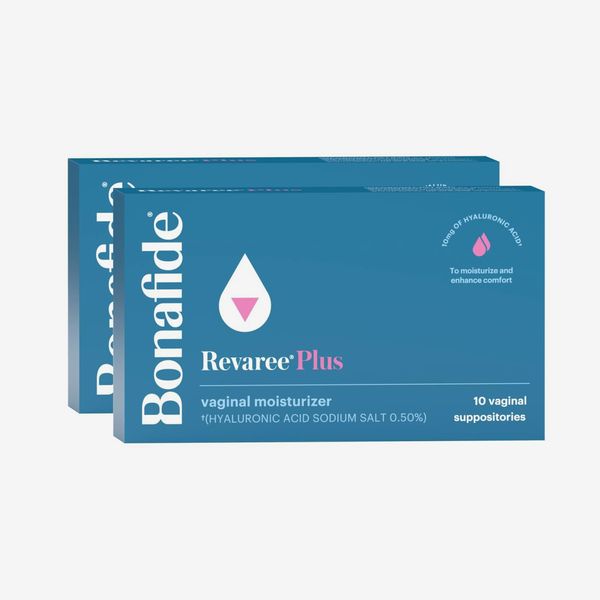
Vulval and vaginal dryness is a common symptom during menopause. “Most commonly, people come to me for vaginal dryness, which may manifest as pain with sex, a persistent irritation, or persistently feeling like you need to pee,” Dr. Newlin says. Her first suggestion is to grab an over-the-counter, long-acting vaginal moisturizer, which you should apply at least twice a week. (Dr. Henry mentions Bonafide Revaree Plus.) If that doesn’t work, you should make an appointment with a gynecologist to investigate what’s going on and to see if you might need vaginal estrogen.
As with your skin elsewhere, what you ingest can have a huge impact. “Maintain a balanced diet and stay well-hydrated,” says Dr. Henry. “If you notice that you have a tendency towards getting yeast infections, consider probiotics, particularly those with lactobacillus.” Dr. Newlin emphasizes the importance of wearing breathable, 100-percent-cotton underwear and using non-fragranced, hypoallergenic soap to wash it. Ideally, you should also let your vulva have some free time: “For example, sleep without underwear or wear a loose dress or boxer shorts at home without underwear,” she says. If you have a period, she says you should use 100-percent-cotton (and fragrance-, dye-, and bleach-free) period products or a silicone menstrual cup. Regular STI testing is important, too! Finally, when you experience discomfort of any kind, like an unusual odor, discharge, itching, or burning, skip the drugstore and head to the gynecologist if you can.
link